



In this article
Our ancestors consumed a variety of foods sourced from Mother Nature. Fruits have always been a favorite, including those from trees like apples and oranges and from lower-growing plants like berries. Fruit is seen as a source of vitality, bursting with vitamins and minerals that are essential for health. However, with a growing interest in nutrition and an influx of mixed messaging around what is deemed “healthy,” fruit has gotten a bad rap, especially the reputation that “fruit has too much sugar.” Ahead, a look at the benefits of fruit and how to choose the best fruits when your thyroid gland is underactive.
There’s no debate: fresh fruit is one of the most powerful foods you can put on your plate. A fruit-rich diet helps reduce the risk of cardiovascular disease, high blood pressure, cancer, and diabetes — and it supports digestive health, eye health, and even healthy weight management. According to the Dietary Guidelines for Americans 2020-2025, a well-balanced plate should be about half fruits and vegetables. Yet nearly 80% of Americans fall short of this goal, missing out on essential nutrients like potassium, fiber, and antioxidants that the body depends on to function optimally.
One standout nutrient in fruit is potassium, a mineral critical for heart rhythm, kidney function, muscle contraction, and nerve signaling. Many people don’t realize how easy it is to boost potassium through whole foods. Bananas and avocados are well-known sources, but dried fruits such as apricots, prunes, and raisins also deliver concentrated amounts — making them convenient options when fresh fruit isn’t available.
Just as important is dietary fiber, which plays a central role in digestive health, blood sugar balance, and cholesterol reduction. The soluble fiber found in fruits like apples, berries, and citrus helps slow glucose absorption and supports a healthy gut microbiome. In contrast, insoluble fiber promotes regular bowel movements and prevents constipation. Diets rich in fiber are also associated with reduced cardiovascular risk and improved metabolic health, making fruit a simple, natural way to support whole-body wellness.
Beyond vitamins and minerals, fruits supply a powerful mix of health-protective compounds, including antioxidants, prebiotics, phytoestrogens, electrolytes, phytochemicals, and natural anti-inflammatory agents. These nutrients help regulate the immune system, support gut health, and reduce inflammation — benefits that are especially valuable for people managing chronic conditions like thyroid disease.
For people living with hypothyroidism and Hashimoto’s thyroiditis, diet can play a meaningful supportive role alongside medical care. While no food can cure thyroid disease or replace missing thyroid hormones, fruit offers a powerful combination of antioxidants, vitamins, minerals, hydration, and fiber that can help address common symptoms such as fatigue, inflammation, digestive sluggishness, and immune imbalance. Incorporating a wide variety of fruits into a thyroid-friendly diet provides targeted nutritional benefits that support overall endocrine and immune health.
Antioxidants: protecting thyroid cells from oxidative stress

Oxidative stress—an imbalance between free radicals and antioxidants in the body—has been linked to thyroid gland dysfunction and autoimmune activity. In Hashimoto’s disease, chronic inflammation and immune system attacks on thyroid tissue can increase oxidative damage, potentially worsening symptoms and disease progression.
Fruits rich in antioxidants help neutralize free radicals and protect thyroid cells from damage. Berries (blueberries, strawberries, raspberries), cherries, grapes, and pomegranates are especially high in polyphenols, flavonoids, and vitamin C. These compounds help:
- Reduce inflammation that can aggravate autoimmune responses
- Protect thyroid tissue from oxidative injury
- Support cellular repair and immune balance
Regular consumption of antioxidant-rich fruits may help create a less inflammatory internal environment—an important goal for people managing autoimmune thyroid conditions.
Selenium’s role in hormone regulation
Selenium is required for enzymes called deiodinases, which convert the inactive thyroid hormone T4 into the active form T3. Without adequate selenium, this conversion may be impaired.
While Brazil nuts are the most concentrated source, modest amounts of selenium can also be found in fruits such as bananas and strawberries. Including these fruits as part of a varied diet helps support:
- Proper thyroid hormone conversion
- Protection against oxidative damage to the thyroid gland
- Balanced immune responses
Vitamin C for hormone absorption and immune support
Vitamin C, abundant in citrus fruits, kiwi, pineapple, and strawberries, plays multiple roles relevant to hypothyroidism and Hashimoto’s:
- Enhances absorption of thyroid medication when taken separately from dosing time
- Supports immune system regulation
- Reduces inflammation and oxidative stress
- Aids adrenal health, which influences energy and stress resilience
Because autoimmune thyroid disease involves immune dysregulation, vitamin C–rich fruits can be particularly beneficial.
Fiber: Supporting gut health and hormone balance
More than 90% of women and 97% of men also don’t meet the recommended levels of dietary fiber intake. Fruit is a good—and delicious—way to increase fiber intake and meet daily goals.
Digestive sluggishness and constipation are also common complaints in hypothyroidism due to slowed metabolism and reduced gut motility. Fruits provide soluble and insoluble fiber that supports digestive health and hormone balance.
High-fiber fruits include:
- Apples and pears, especially with skin (pectin supports gut bacteria)
- Oranges (high fiber)
- Berries (low glycemic, high fiber)
- Figs and prunes (help relieve constipation)
MyFoodData has a helpful list of the fruits that are highest in fiber.
Fiber supports thyroid health by:
- Promoting regular bowel movements
- Supporting a healthy gut microbiome (closely tied to immune regulation)
- Helping stabilize blood sugar, which influences energy and hormone balance
Since gut health plays a role in autoimmune conditions, fiber-rich fruits may help modulate immune activity and reduce systemic inflammation.
Hydration: Combating fatigue and supporting metabolism
Many people with hypothyroidism experience fatigue, brain fog, and sluggish metabolism. Proper hydration is essential for cellular function, circulation, and metabolic processes.
Fruits with high water content—such as watermelon, cantaloupe, oranges, grapefruit, and berries—help maintain hydration while delivering vitamins and electrolytes. Adequate hydration supports:
- Energy production and reduced fatigue
- Improved circulation and nutrient delivery
- Healthy skin, which is often dry in hypothyroidism
- Detoxification processes
Hydrating fruits are especially helpful for individuals who struggle to drink enough fluids throughout the day.
Choosing seasonal and locally grown fruits can enhance nutrient intake and reduce your exposure to environmental toxins that may interfere with thyroid function.
Benefits of seasonal and local fruit include:
- Higher vitamin and antioxidant content due to peak ripeness
- Reduced pesticide exposure, which may disrupt endocrine function
- Support for sustainable agriculture and soil health
Shopping at farmers’ markets or selecting organic options when possible can help reduce intake of endocrine-disrupting chemicals, which is particularly important for individuals with hormone-sensitive conditions.

Many people with Hashimoto’s disease or hypothyroidism struggle with insulin resistance, which can worsen fatigue, weight gain, and hormone imbalances. That doesn’t mean you need to avoid fruit — far from it. The key is knowing which fruits may cause spikes in blood sugar and how to
Sugar is a type of carbohydrate, meaning it provides our bodies with vital energy. Fruits contain naturally occurring sugars like fructose, sucrose, and galactose, which are metabolized differently from refined sugar in cookies, candy, or soft drinks. Fructose, the main sugar in fruit, does not significantly raise blood glucose or insulin levels. Plus, fruit also contains fiber, which slows digestion. This moderates the release of sugar and prevents the rapid spikes associated with processed sweets.
In contrast, refined sugars are absorbed quickly, sending glucose soaring in the bloodstream and triggering the classic “sugar high” — followed by crashes that can worsen fatigue, cravings, and inflammation.
Fruit and the glycemic index
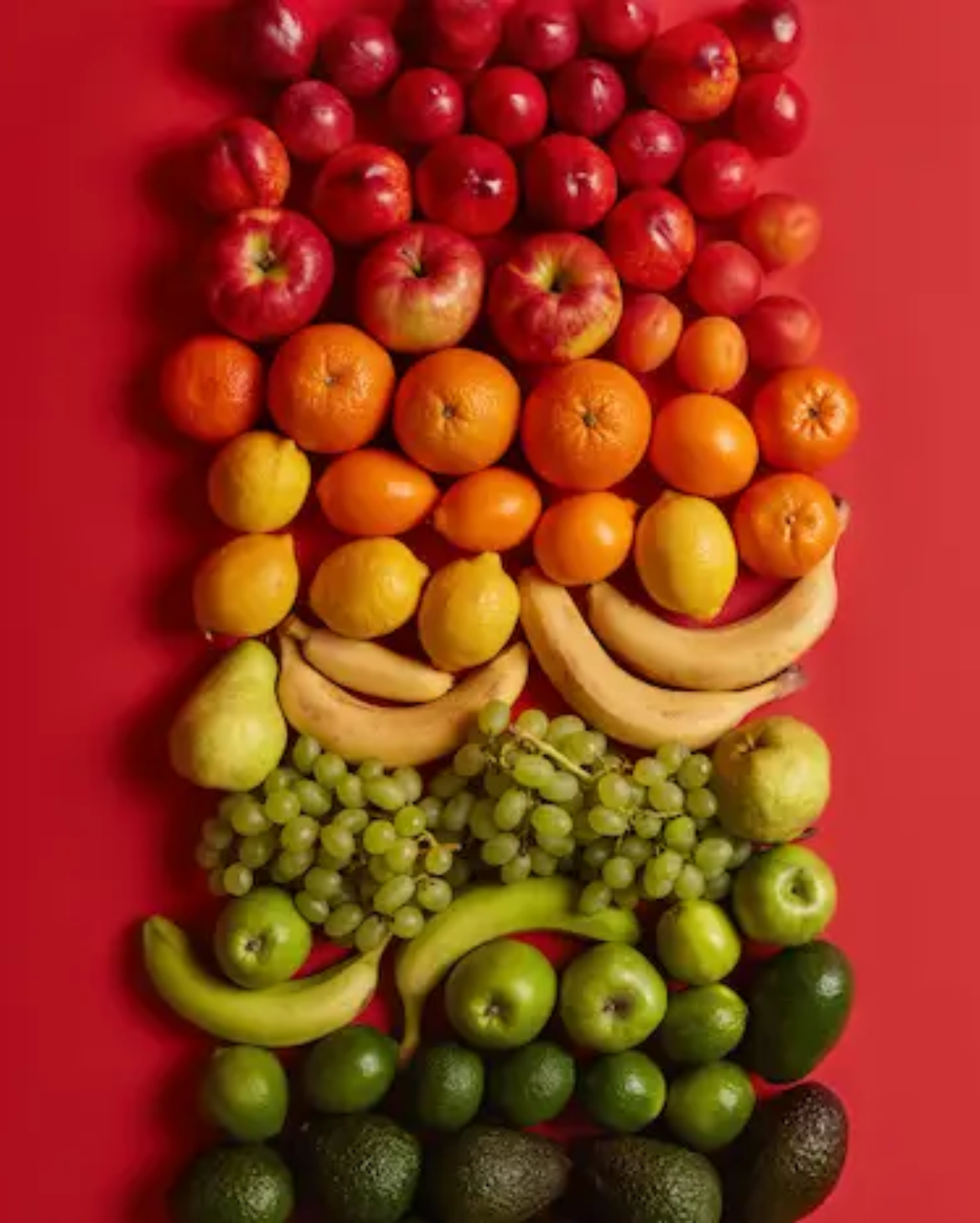
A key to choosing healthier fruits is the glycemic index, a rating system for all foods that contain carbohydrates, such as fruits, vegetables, dairy products, and whole grains. Based on each food’s rating, the index shows how quickly each food affects your blood sugar level when eaten on its own. The foods are ranked on a scale of 0 to 100. The closer to 100, the more a particular food affects blood sugar.
Generally, fruits have a lower glycemic rate than dairy, grains, and processed sugar.
Some fruits are higher on the glycemic index, meaning they raise blood sugar faster. Tropical fruits like pineapple, watermelon, mango, papaya, and very ripe bananas, as well as fruit juices, fall into this category. Rapid glucose spikes can increase inflammation and contribute to fatigue or cravings.
Fruits like blueberries, raspberries, blackberries, strawberries, oranges, apples, and pears tend to have a lower GI, releasing sugar more slowly and helping maintain steady energy levels. Lower-GI fruits are also rich in antioxidants, prebiotics, and anti-inflammatory compounds — all beneficial for thyroid health.
Choose fruits that are lower on the glycemic index to reduce sugar intake and inflammation. By choosing a variety of fruits, prioritizing lower-GI options, and pairing higher-GI fruits with protein or fat, you can enjoy the natural sweetness and nutrient power of fruit without triggering blood sugar spikes or inflammation.
The Glycemic Index website has a helpful chart of most fruits.
Dried fruits: Small portions, big sugar load
Dried fruits are often seen as a healthy snack, but removing water can concentrate their sugar. Raisins, dates, dried cranberries, and dried apricots can spike blood sugar quickly and may contribute to inflammation, weight gain, and energy dips. Whenever possible, choose fresh fruit to take advantage of natural fiber, which helps regulate blood sugar release.
A pro tip
You can pair higher-GI fruits with protein or healthy fats, such as nuts, seeds, or almond butter. This slows digestion, keeps your blood sugar steadier, and prevents energy crashes.
Download our Thyroid Meal Plan
Find inspiration for a healthy way to support your thyroid


The internet is full of “avoid this” lists, but the truth is more nuanced. Fruit is packed with fiber, antioxidants, vitamins, and anti-inflammatory compounds — all of which support thyroid and immune health.
That said, some fruits may trigger symptoms in certain people, especially if you’re dealing with blood sugar issues, histamine sensitivity, reflux, or autoimmune thyroid flares. The goal isn’t to fear fruit — it’s to understand how your body responds.
The truth: No fruit is universally “bad”
There is no scientific evidence that people with Hashimoto’s disease or an underactive thyroid gland must avoid specific fruits across the board. Most concerns come down to individual sensitivities and metabolic factors, such as:
- Blood sugar regulation
- Gut health and inflammation
- Histamine intolerance
- Acid reflux or digestive sensitivity
Think of fruit as a spectrum — not a blacklist. In addition to understanding the GI index of your favorite fruits, consider these other factors.
Citrus fruits: A trigger for some — not most
Citrus fruits are rich in vitamin C and antioxidants, but may aggravate symptoms in people with:
- Acid reflux (common in hypothyroidism)
- Histamine intolerance
- Sensitive digestion
Examples:
- Oranges
- Grapefruit
- Lemons
- Limes
👉 If citrus worsens your heartburn or irritation, scale back — otherwise, enjoy.
High-histamine or histamine-liberating fruits
Some people with Hashimoto’s also experience histamine intolerance or mast cell activation, which can cause symptoms like flushing, headaches, anxiety, or itching.
Possible triggers:
- Strawberries
- Pineapple
- Bananas
- Avocado
- Tomatoes
👉 Not everyone reacts — this is highly individual.
Nightshade fruits: A controversial trigger
Nightshades contain compounds that may provoke inflammation in some autoimmune conditions, such as Hashimoto’s disease, but the evidence is limited and mixed.
Nightshade fruits include:
- Tomatoes
- Goji berries
- Eggplant
- Bell peppers and chili peppers
👉 If you notice joint pain or flares after eating them, consider a short elimination trial.
All fruits have nutritional value. When you have thyroid issues, deciding on the best fruits to eat ultimately depends on your specific goals. If you are at a healthy weight, have normal blood sugar levels, and have well-controlled thyroid hormone levels, you may want to choose fruits that are highest in fiber and nutrients. If you are experiencing weight gain, you’re trying to lose weight, you have elevated blood sugar, or you have autoimmunity and/or inflammation, you’ll want to choose high-fiber, low-glycemic fruits – in moderation – as part of your healthy diet. You’ll also want to avoid overdoing it with high-glycemic fruit.
- Aim for 1–2 servings of whole fruit daily, choose lower-glycemic fruits if you have blood sugar, weight, or inflammation issues
- Prioritize variety to obtain a broad range of antioxidants
- Choose whole fruits over juices to maximize fiber
- Pair fruit with protein to prevent blood sugar spikes
- Avoid consuming high-fiber fruit within 3–4 hours of thyroid medication to prevent absorption interference

Fruit isn’t something to fear when you’re living with hypothyroidism or Hashimoto’s thyroiditis — it’s something to use wisely. The right fruits deliver powerful antioxidants that help protect delicate thyroid tissue, vitamins and minerals that support the conversion of thyroid hormones and immune balance, and fiber that nourishes your gut (where much of immune regulation begins). Add in natural hydration for better energy, digestion, and skin health, and fruit becomes a simple, delicious way to support your body—and your thyroid health—alongside medical treatment, not work against it.
The key isn’t restriction. It’s having a strategy.
- Choose lower-glycemic fruits to help maintain steady energy and reduce inflammation
- Pair sweeter fruits with protein or healthy fats to prevent blood sugar crashes
- Opt for fresh over dried fruit or juice to preserve fiber and avoid concentrated sugars
- Most importantly, pay attention to how your body responds
When you approach fruit with balance and awareness, it becomes a powerful ally — naturally sweet, nutrient-dense, and fully compatible with a thyroid-friendly lifestyle.
Want personalized guidance? Consider scheduling a session with one of our thyroid-savvy Paloma nutritionists. They can help you identify nutrient gaps, fine-tune your fruit choices, and build a practical, sustainable plan designed to support healthy thyroid function. And consider adding a knowledgeable Paloma thyroid healthcare provider to your team to help resolve your thyroid issue and optimize your thyroid hormone levels so you can feel your best every day.
Is fruit bad for hypothyroidism?
No. Whole fruit provides fiber, antioxidants, and nutrients that support overall health and can help manage common hypothyroid symptoms.
Can fruit worsen Hashimoto’s thyroiditis?
There is no scientific evidence that people with Hashimoto’s must universally avoid fruit. Individual sensitivities — such as blood sugar issues or histamine intolerance — may influence choices.
What are the best fruits for hypothyroidism?
Lower-glycemic fruits like berries, apples, pears, and oranges are excellent options because they provide fiber and antioxidants without causing rapid blood sugar spikes.
Should I avoid bananas if I have thyroid disease?
Not necessarily. Very ripe bananas are higher glycemic, but in moderation — especially paired with protein or healthy fat — they can still fit into a thyroid-friendly diet.
Are dried fruits healthy for people with Hashimoto’s?
Dried fruits contain concentrated sugars and can spike blood glucose levels. Fresh fruit is usually a better choice for stabilizing blood sugar.
Can fruit interfere with thyroid medication?
Eating high-fiber fruit too close to your medication may affect its absorption. It’s best to wait 3–4 hours after taking thyroid medication before consuming high-fiber foods.
Is citrus fruit safe for hypothyroidism?
Yes, for most people. However, those with acid reflux or histamine sensitivity may need to limit citrus if it triggers symptoms.
Does fruit help with hypothyroid-related constipation?
Yes. Fiber-rich fruits like prunes, figs, apples, and berries can help promote regular bowel movements.
How much fruit should someone with hypothyroidism eat daily?
Generally, 1–2 servings of whole fruit per day works well for most people, adjusted for blood sugar balance and individual health goals.
Should I avoid nightshade fruits like tomatoes?
Only if you notice they trigger symptoms. There’s no strong evidence that everyone with autoimmune thyroid disease needs to eliminate nightshades.


%20copy.webp)
.webp)


