



.webp)
In this article
When you are diagnosed with Hashimoto's hypothyroidism, the conversation almost always begins with hormone levels: your TSH is too high, your thyroid is underperforming, and daily thyroid hormone replacement medication will help bring things back into balance. That narrative is not wrong, but it is incomplete. Hashimoto's is not simply a hormone deficiency—it is an autoimmune disease, and the immune system's ongoing assault on the thyroid gland is driven by inflammation and oxidative stress that persist long after a prescription is written. A growing body of research is asking whether targeted nutrition can address that underlying fire. And a 2026 study published in Scientific Reports has drawn attention to an unlikely candidate: histidine, an essential amino acid that rarely gets a second thought.
The study is exciting, but context matters. This is emerging science, not an established clinical therapy. Before you rearrange your supplement cabinet, it is worth understanding what histidine is, what the research actually found, and how it fits into the broader landscape of autoimmune thyroid care.
Hashimoto's disease is the most common autoimmune thyroid condition and a leading cause of hypothyroidism. At its core, the disease is characterized by immune cells mistakenly identifying thyroid proteins as foreign invaders and mounting a sustained attack against them. Over time, this destroys the follicular cells that produce thyroid hormone—the small, spherical structures that store and release T3 and T4 into the bloodstream.
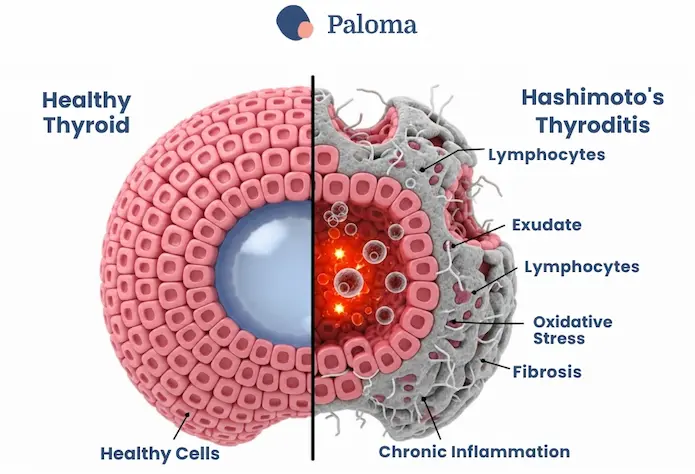
Two laboratory markers reflect the disease's "activity level" more directly than TSH alone. Thyroid peroxidase antibodies (TPOAb) and thyroglobulin antibodies (TgAb) signal that the immune system is actively targeting the thyroid. Elevated levels are not merely passive markers—they participate in tissue destruction, and their persistence indicates that the inflammatory engine is still running. For clinicians and patients alike, tracking these numbers over time can reveal whether a treatment strategy—dietary or medical—is actually making a difference. Standard care still centers on thyroid hormone replacement medication when hypothyroidism is present, alongside regular thyroid testing and symptom monitoring.
The oxidative stress problem
The thyroid is unusual among organs: it relies on hydrogen peroxide to synthesize hormones, which means it is naturally exposed to reactive oxygen species (ROS) during normal function. In a healthy gland, antioxidant enzymes such as superoxide dismutase (SOD), catalase, and glutathione peroxidase keep ROS in check. In Hashimoto's, chronic immune activation overwhelms these defenses. Oxidative stress accumulates in thyroid follicular cells, damaging DNA and protein structures and eventually triggering apoptosis—programmed cell death. As a 2026 review in Frontiers in Endocrinology notes, this imbalance between oxidation and reduction is a defining feature of disease progression.
This is precisely why researchers are interested in nutrients that can bolster antioxidant defenses within thyroid tissue. Selenium has been the most-studied example for years. Now histidine is entering that conversation.
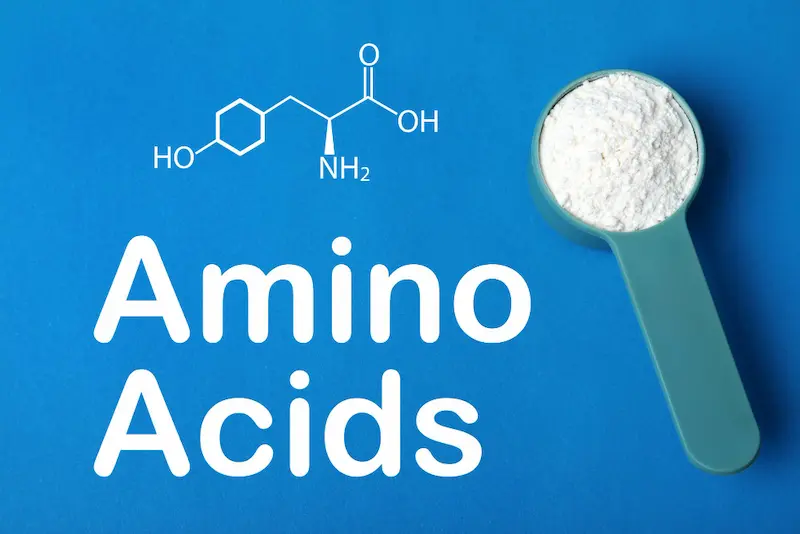
Histidine is one of the nine essential amino acids, meaning the body cannot synthesize adequate amounts on its own. You obtain it through protein-rich foods: meat, poultry, fish, eggs, dairy, legumes, and whole grains all contain meaningful amounts. Its roles in the body extend well beyond simple protein building. Histidine is a precursor to histamine, a component of the dipeptide carnosine (a potent antioxidant concentrated in muscle tissue), and a key contributor to cellular pH buffering—helping maintain the structural integrity of tissues under chronic stress.
That last point is especially relevant for a gland operating in a high-oxidative-stress environment.
Histidine vs. histamine: clearing up the confusion
Many people with Hashimoto's are familiar with histamine intolerance—a condition in which the body struggles to break down histamine, leading to symptoms such as flushing, headaches, or digestive distress after eating aged cheeses, fermented foods, or certain proteins. Because histidine is a precursor to histamine, some patients worry that increasing histidine intake will worsen these symptoms.
The distinction is important. Histidine is an amino acid; histamine is a bioactive amine produced by the enzyme histidine decarboxylase (HDC). The conversion is regulated, and dietary histidine does not automatically translate into elevated histamine. Avoiding histidine-rich proteins entirely risks creating broader amino acid deficiencies that can worsen immune dysregulation over time. That said, if you have confirmed histamine intolerance, focusing on fresh (rather than aged or fermented) protein sources is a practical way to obtain histidine without triggering symptoms.
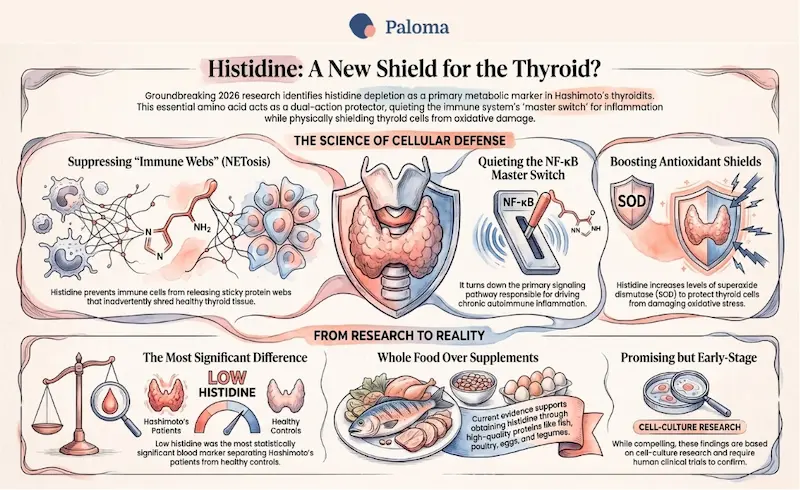
The Scientific Reports paper began with a metabolomics analysis comparing serum samples from 20 people with Hashimoto's thyroiditis to 20 healthy controls. Metabolomics is the large-scale study of small molecules in biological samples—a way of taking a snapshot of what the body is actually doing biochemically at a given moment. What is the most significant difference between the two groups? Histidine levels were substantially lower in Hashimoto's patients at levels that were statistically significant.
From there, the researchers examined what happens when histidine is added back. They treated neutrophils—the immune cells that are among the first to respond to perceived threats—with increasing concentrations of histidine and observed the effects. Then they co-cultured those histidine-treated neutrophils with thyroid follicular cells to see what happened downstream.
Inhibiting neutrophil extracellular traps (NETs): stopping the immune system's collateral damage
Neutrophils have a dramatic defensive strategy: when activated, they can expel sticky webs of DNA and proteins called neutrophil extracellular traps (NETs) to capture pathogens. In autoimmune disease, NETs are released inappropriately against the body's own tissue, causing significant collateral damage. In the thyroid, NET accumulation contributes directly to follicular cell destruction.
The study found that histidine suppressed NET formation in a dose-dependent manner. Reactive oxygen species within the neutrophils were reduced, and levels of histidine decarboxylase (HDC) and histamine receptor 1 (H1R)—both of which were elevated in stimulated neutrophils—were brought back toward normal. By limiting this overactive neutrophil behavior, histidine appears to interrupt one of the key mechanisms through which the immune system damages thyroid tissue.
Quieting the NF-κB master switch for inflammation
The co-culture experiments revealed another mechanism: histidine suppressed activation of the NF-κB signaling pathway in thyroid follicular cells. NF-κB is often described as a master switch for inflammation. When activated, it drives the production of pro-inflammatory cytokines—including IL-6 and TNF-α, both of which were measured in this study and found to be reduced in histidine-treated cells. Simultaneously, expression of superoxide dismutase (SOD), a key antioxidant enzyme, increased.
In practical terms, this means histidine appeared to turn down the volume on the immune system's inflammatory signal within thyroid cells, while simultaneously strengthening their oxidative defenses.
What the study does—and doesn't—establish
It is worth being clear-eyed about the study's limitations. This was laboratory research using cell cultures, not a clinical trial in human patients. Cell-based findings show how a mechanism could work—but they do not confirm that histidine supplementation will reduce TPO antibodies, improve symptoms, or slow thyroid atrophy in people living with Hashimoto's. No optimal dose for humans has been established, and the safety profile of high-dose histidine supplementation in this population has not been studied.
Read correctly, this study is a compelling clue about disease biology. Right now, it belongs in the "promising research" category, not the "recommended therapy" category—at least for now.
Histidine is not the first nutrient to attract research attention in Hashimoto's. The existing literature has focused more intensively on selenium, vitamin D, iodine, magnesium, iron, and B12. Understanding where histidine sits relative to these better-studied nutrients puts the 2026 findings in proper perspective.
Selenium: the closest comparison
Selenium is the nutrient with the strongest body of evidence in the care of Hashimoto's. It is required for the synthesis of selenoproteins—including glutathione peroxidase, which breaks down hydrogen peroxide in the thyroid and prevents oxidative stress from triggering autoimmune responses. A 2024 systematic review and meta-analysis published in Thyroid analyzed 35 randomized controlled trials. They found that selenium supplementation was associated with modest reductions in TPOAb levels and slightly lower thyroid-stimulating hormone (TSH) levels in patients not yet on thyroid hormone replacement. Even with this more mature evidence base, clinical guidelines remain cautious about routine supplementation, noting that benefits appear most consistent in patients who are actually selenium-deficient.
Histidine has far less research behind it than selenium does. The mechanisms identified in the 2026 paper are distinct—NETs inhibition and NF-κB suppression—suggesting histidine may act through complementary rather than overlapping pathways. That is scientifically interesting, but it underscores how much more research is needed before histidine earns a place alongside selenium as a trusted recommendation.
Amino acid profiles in Hashimoto's: a growing area of inquiry
The 2026 study is not the first to examine amino acid patterns in Hashimoto's disease. A 2024 study in the Journal of Medical and Dental Investigations analyzed plasma amino acid profiles in people with Hashimoto's, reflecting the broader scientific interest in whether the disease alters the body's amino acid metabolism in measurable ways. This metabolomics-informed approach is relatively new to thyroid research, and histidine's appearance as the most significantly depleted metabolite suggests it may be worth monitoring clinically—even before supplementation becomes a formal recommendation.
Diet and oxidative stress: the bigger picture
A 2022 review in the International Journal of Molecular Sciences established an important foundation: diet, micronutrients, and oxidative stress all contribute to Hashimoto's, but no single nutrient or dietary pattern has definitive evidence for all patients. The same review found insufficient data to recommend a gluten-free diet universally for people with Hashimoto's—a finding that underscores how often popular nutrition advice in this space runs ahead of the evidence. Anti-inflammatory dietary patterns rich in vegetables, fruits, and quality protein represent the most defensible general approach.
The immune system is trained in the gut. For people with Hashimoto's disease, the integrity of the intestinal lining is not a peripheral concern—it is central to long-term disease management.
Intestinal permeability and thyroid autoimmunity
Increased intestinal permeability—sometimes called "leaky gut"—allows large, partially digested proteins to enter the bloodstream. The immune system responds by generating antibodies against these proteins. When those proteins structurally resemble thyroid tissue, a process called molecular mimicry can occur: the antibodies that were meant to target dietary antigens end up cross-reacting with the thyroid gland. This is one proposed mechanism linking gut dysfunction to elevated TPO antibodies.
Histidine's role in gut barrier function
Histidine and its metabolites serve as food sources for beneficial gut bacteria, which ferment them into compounds that nourish the intestinal mucosa and support the tight-junction proteins that keep the gut lining sealed. A compromised gut barrier leads to greater overall immune stimulation; a well-nourished barrier may reduce the antigenic load that keeps autoantibodies elevated. This gut-thyroid connection is a plausible secondary pathway through which adequate histidine intake could matter for Hashimoto's patients—though again, this remains an area of active research rather than established practice.
Food sources come first
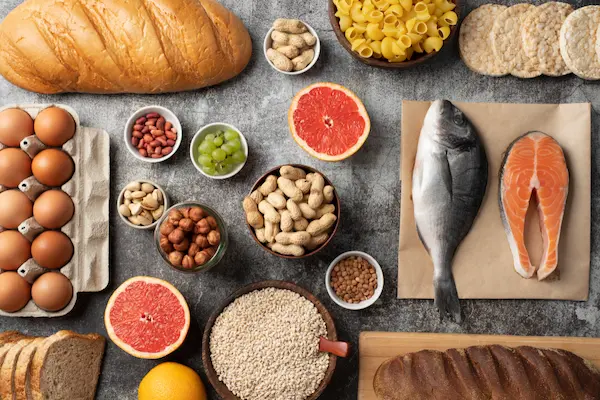
If you eat adequate protein—meat, fish, poultry, eggs, dairy, tofu, legumes, or whole grains—you are almost certainly getting histidine from food. Most people with Hashimoto's who eat a varied diet do not need a dedicated histidine supplement. The practical nutrition goal is to ensure consistent, high-quality protein intake rather than targeting any single amino acid in isolation.
For those navigating histamine intolerance alongside Hashimoto's, the best approach is to prioritize fresh protein sources: freshly cooked fish or poultry, eggs, and legumes, rather than aged cheeses, fermented foods, smoked meats, or deli proteins that have undergone conversion of histidine to histamine during processing.
Why symptoms can persist beyond hormones
One of the most frustrating experiences in Hashimoto's care is persistent fatigue, brain fog, weight fluctuations, constipation, or dry skin despite a "normal" TSH. It is easy to attribute these symptoms to the autoimmune disease itself. Still, several other factors frequently contribute: undertreated hypothyroidism, iron deficiency, vitamin B12 deficiency, vitamin D insufficiency, poor sleep, or unrelated conditions. This is why thyroid blood tests and clinical follow-up remain more important than any supplement trend—including histidine.
When to talk to your clinician
If you are interested in exploring amino acid status or broader metabolic testing, ask your healthcare provider about targeted testing rather than self-prescribing supplements based on broader findings. The histidine-histamine pathway means that your individual biochemistry matters here more than average. A clinician familiar with thyroid disease can help contextualize testing and guide your supplementation decisions safely.
The 2026 Scientific Reports paper is best understood as a study that has generated a hypothesis. It establishes that histidine levels are depleted in Hashimoto's patients and identifies plausible cellular mechanisms by which histidine restoration might protect your thyroid. The next steps in the research pipeline would ideally include animal model studies, then small human trials measuring changes in TPO antibodies and inflammatory markers following supplementation, and eventually larger randomized controlled trials. That is a multi-year process at minimum.
The broader metabolomics approach—looking at the full spectrum of circulating metabolites to understand disease activity and guide personalized nutrition for the health of the thyroid gland—is itself an area of growing scientific momentum. As a 2026 review in Frontiers in Endocrinology observes, individualized treatment strategies and therapies targeting the underlying autoimmune process represent an unmet need in the care of Hashimoto's disease. Histidine is one important component of that evolving picture.
Hashimoto's disease is not just a hormone problem. It is an autoimmune disease driven by inflammation and oxidative stress, and the emerging nutrition science around it reflects that complexity. The 2026 research adds an intriguing piece to the puzzle: a common dietary amino acid appears to be low in people with Hashimoto's, and lab evidence suggests it may help shield thyroid cells from immune-driven damage to the thyroid gland.
That is genuinely interesting – but early-stage – science, but the gap between promising lab findings and clinical recommendations is wide. The most evidence-supported approach to Hashimoto's today remains consistent monitoring of thyroid hormone levels, medication when indicated, attention to micronutrient deficiencies commonly found with thyroid disease, and an overall dietary pattern that supports—rather than inflames—your immune system.
Watch this space. Histidine may well earn a more prominent role in Hashimoto's treatment in the coming years. For now, the best thing patients can do is eat enough quality protein, stay curious about the emerging research, and have those conversations with a clinician who takes the immune-metabolic side of thyroid disease seriously.
Research like the 2026 histidine study is a reminder that Hashimoto's is far more than a prescription to manage—it's an evolving conversation between your immune system, your metabolism, and your overall health. At Paloma Health, we've built our entire platform around that reality. Our clinicians are thyroid specialists who understand that a "normal" TSH doesn't always tell the full story, and that persistent symptoms deserve real investigation—not a brushoff. Whether you're newly diagnosed or years into your Hashimoto's journey, Paloma membership connects you with practitioners who stay current on emerging science, take an integrative view of autoimmune thyroid disease, and work with you to build a care plan that goes beyond thyroid hormone replacement alone.
Tracking your thyroid markers from home has never been easier or more actionable. The Paloma at-home thyroid blood test kit measures TSH, Free T3, Free T4, and TPO antibodies—the full panel that gives a meaningful picture of both thyroid function and autoimmune disease activity. For people with Hashimoto's, monitoring TPOAb trends over time is exactly the kind of data that can reveal whether a treatment or nutritional strategy is making a difference. Pair that with the Paloma Daily Thyroid Care supplement, a physician-formulated blend of selenium, ashwagandha, zinc, and other nutrients specifically chosen to support thyroid function and reduce oxidative stress—the same underlying mechanism that emerging research on histidine is pointing toward.
Hashimoto's care is moving in an exciting direction, and you deserve a provider who's moving with it. Paloma exists to make thyroid care more precise, more personalized, and more complete—because you shouldn't have to piece together the picture on your own.
Daily Thyroid Care

$34/month
The reinvented multivitamin that works smarter to help fill the gaps in your thyroid health journey
Learn MoreWhat exactly is histidine, and why does it matter for Hashimoto's?
Histidine is one of nine essential amino acids, meaning your body cannot make enough of it on its own—you have to get it from food. A 2026 study found that people with Hashimoto's tend to have significantly lower histidine levels than healthy controls, suggesting that histidine may play a protective role in the autoimmune process that drives thyroid tissue destruction.
What did the 2026 study actually show?
The study used metabolomics to compare the biochemical profiles of Hashimoto's patients and healthy individuals, finding histidine depletion as the most pronounced difference. Lab experiments then showed that adding histidine back to immune cells reduced inflammation and protected thyroid follicular cells from immune-driven damage.
Is this the same histidine that converts to histamine?
Yes—histidine is a precursor to histamine, but the conversion is tightly regulated by the body and doesn't happen automatically just because you eat more histidine-rich foods. People with confirmed histamine intolerance can still consume histidine safely by choosing fresh protein sources, such as cooked poultry, eggs, and legumes, rather than aged or fermented foods, where the conversion has already occurred.
Should I start taking a histidine supplement?
Not based on the current evidence. This research was conducted in cell cultures, not human clinical trials, and no safe or effective supplemental dose has been established for people with Hashimoto's. The best starting point is ensuring you're eating adequate protein from a variety of whole-food sources, which provides histidine along with a full complement of other essential nutrients.
How does histidine compare to selenium for Hashimoto's?
Selenium has a far more robust evidence base, backed by multiple randomized controlled trials and a 2024 meta-analysis of 35 studies showing modest reductions in thyroid antibody levels. Histidine is promising but early-stage—the mechanisms it targets appear complementary to, rather than overlapping with, selenium, which is scientifically interesting, but it would need years more research to reach selenium's level of clinical support.
What are NETs, and why do they matter in Hashimoto's?
Neutrophil extracellular traps (NETs) are sticky webs of DNA and protein that immune cells release to capture pathogens. Still, in autoimmune disease, they get deployed against the body's own tissue instead. In Hashimoto's disease, NET accumulation in the thyroid gland directly contributes to follicular cell destruction, and the 2026 study found that histidine suppressed this harmful process in a dose-dependent manner.
Could histidine help with gut health in Hashimoto's?
There's a plausible case for it. Histidine and its metabolites serve as fuel for beneficial gut bacteria, which, in turn, produce compounds that strengthen the intestinal lining and support tight-junction proteins that prevent larger molecules from leaking into the bloodstream. Since increased intestinal permeability is thought to play a role in sustaining elevated thyroid antibodies, supporting gut barrier function may be one more way histidine could matter for Hashimoto's patients.
Why do I still feel lousy when my TSH looks "normal"?
Persistent fatigue, brain fog, and other symptoms despite a normal TSH are one of the most common frustrations in Hashimoto's care, and there are real explanations that have nothing to do with thyroid hormone levels alone. Iron deficiency, vitamin B12 insufficiency, vitamin D, poor sleep, and undertreated hypothyroidism are all frequent culprits that deserve investigation alongside—and sometimes before—any nutritional intervention.
What foods are the best sources of histidine?
Histidine is found in most protein-rich foods, including meat, poultry, fish, eggs, dairy, tofu, legumes, and whole grains. There is no need to eat exotic or specialized foods—consistent, varied protein intake from whole-food sources is sufficient for most people with Hashimoto's who don't have other absorption or dietary constraints.
What should I watch for as the research on histidine develops?
The next meaningful steps in the science would be animal model studies, followed by small human trials measuring changes in TPO antibody levels and inflammatory markers after supplementation. Those would take years to complete and confirm, so staying in regular contact with a knowledgeable clinician—and keeping an eye on peer-reviewed publications rather than supplement marketing—is the most reliable way to track whether histidine earns a formal place in Hashimoto's care.


.webp)
.png)


