



.webp)
In this article
- What is creatine?
- What the new research found
- Benefits, pros, and cons of creatine
- Creatine and your thyroid
- Creatine, perimenopause, and menopause
- Creatine and weight loss on GLP-1 and GIP medications
- Combining collagen with creatine
- Your next steps
- Cautions and contraindications
- A note from Paloma
- Frequently asked questions
- References
What is creatine?
Creatine is a natural compound your body makes from amino acids, mostly in the liver and kidneys. You also get some from meat and fish. About 95% of it is stored in skeletal muscle, where it is converted to phosphocreatine, a quick-recharge energy reserve that helps muscles produce power during short, intense efforts such as lifting a grocery bag, climbing stairs, or rising from a chair.
Your body makes about a gram a day, and diet adds more if you eat animal foods. But supplements play in a different league. Richard Kreider, PhD, who led the new Texas A&M study, notes that reaching 10 grams a day from food alone would take roughly five to 10 pounds of meat or fish daily. Women typically start with 70 to 80% lower creatine stores than men, and people who eat little or no meat may start lower still, so they may have the most room to benefit. Creatine monohydrate is the form used in nearly all of the research and remains the gold standard.
What the new research found
A 2026 study, published in the Journal of the International Society of Sports Nutrition, followed 64 healthy adults ages 45 to 65 for 12 weeks. Participants chose whether to join a supervised exercise and diet program or stay in a non-exercise group, then were randomly assigned to take 10 grams of creatine monohydrate or a placebo each day.
Muscle gains without a workout plan
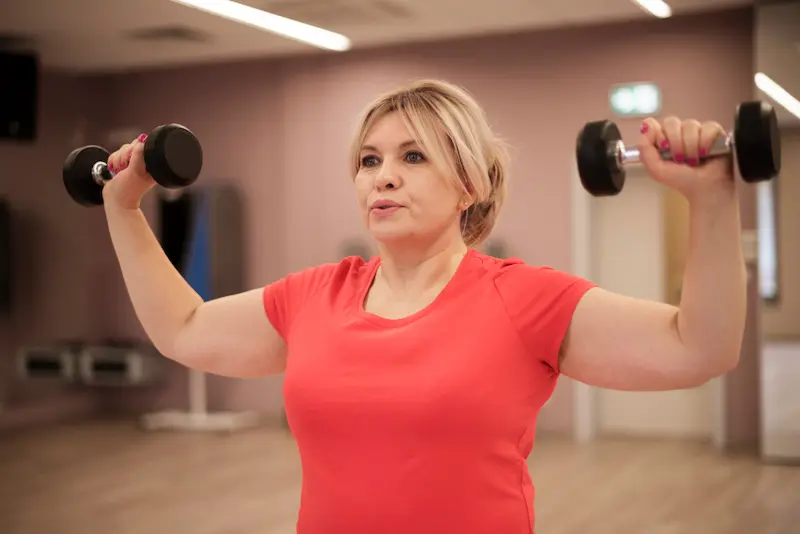
Among people who did not exercise, those taking creatine gained about 2.4 pounds of lean tissue and improved their leg press and bench press strength. In the exercise group, which trained three times a week with resistance and aerobic work, adding creatine produced bigger gains in leg press strength, bench press strength, and time to exhaustion. It did not improve aerobic capacity beyond what exercise alone achieved.
Fat loss without muscle loss
The exercise group also followed a modest calorie deficit. Those taking creatine added nearly three pounds of lean tissue while losing fat and saw a larger drop in body fat percentage. Participants on placebo showed little change in lean tissue or muscle mass. The researchers say it is the first study to show creatine can lower body fat percentage beyond what exercise and diet achieve alone.
This was a small, 12-week study in healthy adults. People picked their own exercise group, the 10-gram dose is higher than the 3 to 5 grams most people take, and no one was selected for thyroid disease, menopause, or weight-loss medication use. The results are encouraging, but not definitive yet.
Benefits, pros, and cons of creatine
What creatine can do
- Strength and power. Creatine aids in energy production, primarily by helping your muscles work harder during resistance training, which lets you train more effectively.
- Lean mass. In a meta-analysis of older adults, creatine plus resistance training added about 1.4 kilograms (3 pounds) more lean tissue than training alone.
- Brain function and mood. Early evidence suggests creatine may support mood and cognition by restoring energy in brain cells, and these brain health effects may be larger in women.
The pros
Creatine is one of the most studied supplements in the world, and it is typically inexpensive. Safety data are reassuring. An analysis of 685 clinical trials found that 13.7% of creatine studies and 13.2% of placebo studies reported side effects, a difference that was not statistically significant.
The cons
- Water weight. Expect a gain of a pound or two early on, because creatine draws water into muscle cells. This is the most consistent side effect reported.
- Stomach upset. Large single doses can cause cramping or loose stools.
- Lab confusion. Creatine can raise creatinine, a blood marker used to estimate kidney function, without harming the kidneys.
- No cardio boost. It helps strength and power, not endurance.
- Uneven quality. Supplements are loosely regulated, and labels do not always match what is inside.

Creatine and your thyroid
Why muscle matters in thyroid disease
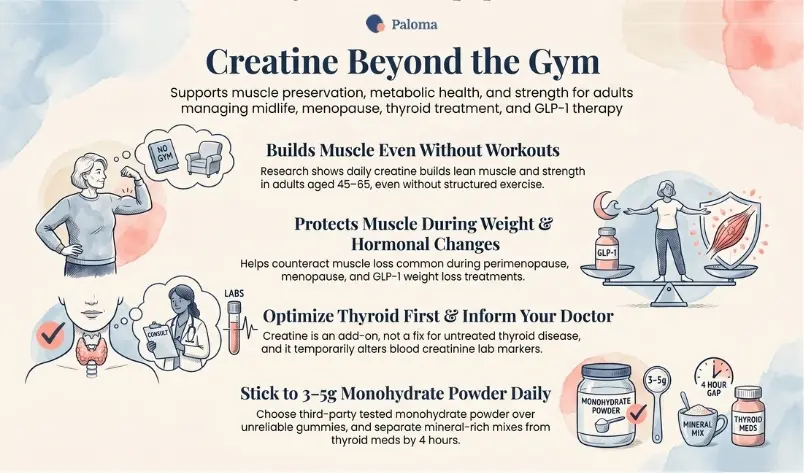
Skeletal muscle cells are a principal target of thyroid hormones, which is why weakness, cramps, and fatigue are common when thyroid levels are off7. Paloma's guide to preserving muscle adds that adequate thyroid hormone is required for normal muscle protein turnover. If you are undertreated, creatine is unlikely to fix the real problem. Optimizing your thyroid treatment comes first. Creatine is an add-on, not a substitute.
What we know, and what we do not
We could not find clinical trials testing creatine in people with Hashimoto's disease or hypothyroidism. What follows is extrapolated from studies in other groups, so treat it as informed caution rather than proven guidance.
Lab results can look different
Two lab quirks are worth knowing. Creatine can modestly raise creatinine, and untreated hypothyroidism can itself raise creatinine and creatine kinase, a muscle enzyme. Together they can make results hard to interpret. A recent case report described an adolescent with severe, undiagnosed autoimmune hypothyroidism who developed muscle breakdown and kidney injury while using creatine; the authors attributed it to the thyroid condition, and it resolved with treatment. It is a reminder that creatine and severe, untreated thyroid disease are a combination to avoid. Tell every clinician you take creatine, and ask whether a different kidney marker is needed if your numbers look off.
Hair, weight, and supplement-mixing worries
Hair. The creatine hair-loss rumor traces to a single 2009 study of 20 rugby players in which creatine raised a hormone called DHT; hair loss was never measured. A later review found no evidence of a link.
Weight. The early water gain is not fat and not a thyroid problem, so do not let the scale alarm you.
Mixing. Creatine itself is not known to interfere with thyroid hormone replacement medication, but many creatine products add calcium, magnesium, iron, or biotin. Minerals can block the absorption of thyroid medication, so keep them four hours apart. Biotin can distort thyroid blood tests, so ask your clinician when to pause it before a blood draw.
Creatine, perimenopause, and menopause
As estrogen falls, metabolism slows, insulin resistance rises, and fat shifts toward the abdomen, as Paloma's guide to HRT and tirzepatide explains. Muscle and bone are lost faster, too. Creatine is not a hormone, but it targets the same terrain, and researchers believe hormonal shifts change how a woman's body handles creatine, so supplementation may be especially useful during and after menopause.
Muscle and strength
The Texas A&M participants were 45 to 65, the same years most women move through perimenopause and menopause, although the news report does not break results down by sex or menopausal status. The broader evidence in older adults, described above, points the same way: creatine works best alongside resistance training.
Brain fog, mood, and energy
Midlife brain fog has many causes, including thyroid disease and shifting hormones, as Paloma's neurowellness guide explains. Creatine's role in brain energy is intriguing, and the evidence for mood and cognition is early. Treat it as a possible bonus, not a promise.
Creatine and weight loss on GLP-1 and GIP medications
Semaglutide (Ozempic, Wegovy) and tirzepatide (Mounjaro, Zepbound) can be life-changing, but not all the weight lost is fat. A 2024 Lancet Diabetes & Endocrinology commentary warned that these drugs can cause substantial muscle loss, largely in proportion to the weight lost, and urged a shift toward healthy weight loss that preserves muscle. In the tirzepatide trial, about three-quarters of weight lost was fat and one-quarter was lean tissue, roughly 5.6 kilograms of lean tissue over 72 weeks.
Can creatine help?
A 2026 review concluded that creatine remains an adjunctive option supported mainly by indirect evidence, with no direct trials in people taking these drugs. A University of Saskatchewan pilot trial that began in May 2026 is testing creatine plus resistance training to prevent lean mass loss on GLP-1 therapy, with primary completion estimated for May 2027. The closest evidence is the Texas A&M study, where creatine, exercise, and a calorie deficit together added lean tissue while fat levels dropped.
Where creatine fits in a muscle-protection plan
Creatine is the supporting actor. The leads are protein and strength training. Paloma's muscle guide cites roughly 1.2 to 1.6 grams of protein per kilogram of body weight daily, spread across meals. Yet only 43% of GLP-1 users in one study reached 1.2 grams per kilogram, and reviewers suggest at least two to three resistance sessions weekly. Thyroid status matters, too: undertreated hypothyroidism and a GLP-1 or GIP drug can compound each other's effects on muscle.
Extra cautions on these drugs
If you have any nausea, vomiting, or diarrhea from creatine supplementation, this can cause dehydration, which is hard on your kidneys. If you cannot keep fluids down, pause creatine until you are drinking normally. Start at a low dose with food. And remember that having hypothyroidism is usually not a reason to avoid these medications per Paloma's guide, though the boxed warning about medullary thyroid cancer and MEN2 still applies to anyone with that personal or family history.
Combining collagen with creatine
There are many creatine supplements that include collagen in the formulation. If you’re taking creatine to support muscle strength and lean mass during menopause or weight loss, you may be wondering whether you should add collagen, too. The short answer: you can, but they do different jobs.
Creatine is primarily about muscle and exercise performance. Research in women, including postmenopausal women, suggests creatine supplementation—particularly when combined with resistance training—may help support strength and lean muscle. That can be especially relevant during midlife, when declining estrogen and weight loss can make maintaining muscle more challenging.
Collagen is a protein rich in amino acids such as glycine and proline. It provides building blocks for connective tissues, including skin, tendons, ligaments, and bones. Some research suggests collagen or collagen peptides may modestly support skin elasticity and joint health, although the evidence is not as strong or comprehensive as the marketing surrounding collagen products might suggest.
So, do you need both? Not necessarily. If your primary goal is preserving muscle, prioritize adequate total protein, resistance training, and—if appropriate for you—creatine. Collagen can be an optional addition if you’re particularly interested in skin or joint support.
Your next steps
Check in with your clinician first
Share your thyroid labs, medication list, kidney function, and goals. Ask whether creatine makes sense for you, what dose to use, and how to interpret creatinine on your next blood test.
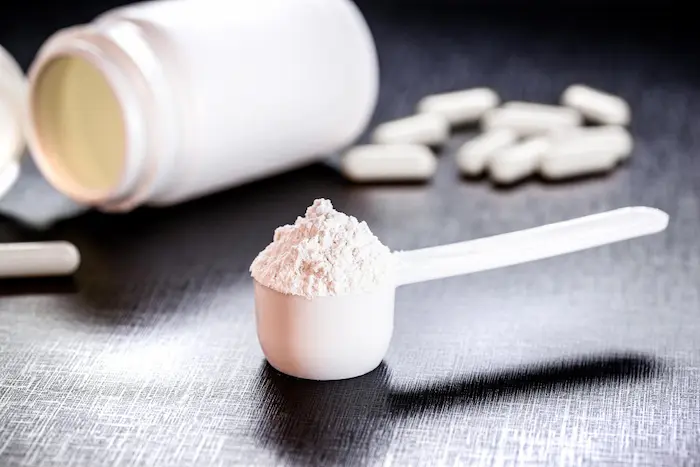
Choose a form of creatine
- Monohydrate powder. The most studied, cheapest, and usually unflavored. Stir it into water, juice, a smoothie, or yogurt.
- Capsules or tablets. Convenient, but many contain under a gram each, so a 3 to 5 gram dose can mean several pills.
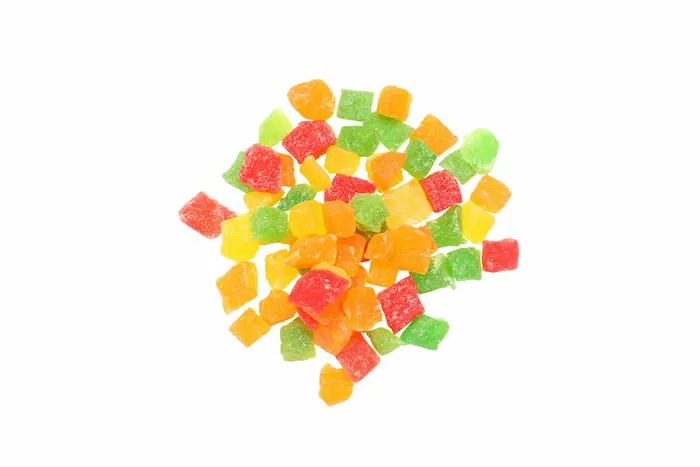
- Gummies. Tasty and portable, but quality and potency is a problem, and they often add sugar and cost far more per gram.
- Other forms and ready-made liquids. Creatine HCl, buffered creatine, and similar products are marketed for better absorption, but monohydrate has the research behind it. Pre-mixed liquids can also degrade before you drink them.
Pick a quality creatine product
- Choose single-ingredient creatine monohydrate and avoid proprietary blends.
- Look for third-party testing seals such as NSF Certified for Sport, Informed Sport, or USP Verified.
- Check the label for grams of creatine per serving, and for added calcium, iron, magnesium, biotin, sugar, or caffeine.
- Be skeptical of gummies. A SuppCo lab test of 11 best-selling products found all five powders met their labels (98 to 101%), while four of six gummies failed. A separate test by supplement maker NOW found five of 12 gummies fell short. Both are industry tests, not peer-reviewed studies, and NOW sells competing products.
How creatine should you take
For most adults, 3 to 5 grams of creatine monohydrate daily is the standard maintenance dose3. The Texas A&M study used 10 grams, but most people do not need that much, and higher doses raise the odds of stomach upset. A "loading phase" of about 20 grams a day for five to seven days fills muscle stores faster, but it is optional. Skip it if your stomach is sensitive; at 3 grams daily, stores take about four weeks to fill.
How and when to take creatine
- Take it every day, including rest days. Consistency matters more than timing.
- Take it with a meal or snack to be gentle on your stomach, and drink fluids throughout the day.
- Take your thyroid medication alone on an empty stomach in the morning. Take creatine later, with lunch or after a workout.
- Pair it with resistance training two to three times a week and enough protein.
- Give it four weeks before judging results. Track strength and how your clothes fit rather than the scale.
Know when to stop and call
Stop creatine and contact your clinician for dark or cola-colored urine, a marked drop in urination, severe muscle pain or swelling, persistent vomiting or diarrhea, or hives and swelling.
Cautions and contraindications
Creatine is well tolerated by most healthy adults, but it is not for everyone.
- Kidney conditions or reduced kidney function. Avoid creatine unless your nephrologist approves.
- Pregnancy and breastfeeding. There are not enough trials to call it safe, so avoid it unless your clinician approves.
- Teens and children. Talk with a pediatrician first.
- Cancer or cancer treatment, including thyroid cancer. A recent laboratory study found that creatine made platelets hyperactive and promoted tumor spread in mice, with similar platelet changes in healthy volunteers. Human relevance is unknown, but ask your oncology team.
- Dehydration, vomiting, diarrhea, or heavy sweating. Pause until you are rehydrated.
- Severe or unstable thyroid disease. Get your thyroid levels stable first.
- Medications that affect the kidneys. Ask your pharmacist about regular NSAID use, diuretics, and other kidney-active drugs.
- Upcoming blood work. Tell your clinician you take creatine, and ask about pausing biotin if your product contains it.
A note from Paloma
At Paloma Health, we see every day how thyroid health, hormones, and metabolism intersect. Our clinicians specialize in hypothyroidism, Hashimoto's disease, perimenopause, menopause, and weight management, and can review your labs, medications, and supplements together. We offer CLIA-certified at-home thyroid testing, personalized thyroid medication plans, hormone therapy, and GLP-1 and GIP/GLP-1 medications when appropriate, along with nutrition and lifestyle coaching to help you hit protein goals and build strength.
If you are thinking about creatine, start by making sure your thyroid is properly treated, because undertreated hypothyroidism can worsen muscle loss and fatigue. Explore why weight loss is so hard when you are hypothyroid, preparing for perimenopause when you are hypothyroid, and common symptoms across perimenopause, menopause, and hypothyroidism, then reach out at palomahealth.com.
Frequently asked questions
Is creatine safe if I have thyroid disease?
There are no trials in thyroid patients, but creatine is well tolerated in healthy adults and has not been flagged as a thyroid problem. Get your thyroid levels stable and talk with your clinician first.
Will creatine interfere with my thyroid hormone replacement medication?
Pure creatine is not known to interfere with levothyroxine or natural dessicated thyroid drugss. Take your thyroid pill alone in the morning, and keep any calcium, iron, or magnesium products four hours away.
Does creatine cause hair loss?
The rumor comes from one 2009 study that measured a hormone, not hair. Later reviews found no evidence that creatine causes hair loss.
Will creatine make me gain weight?
You may gain a pound or two of water in the first weeks, which is not fat. Lean tissue gains over time can also move the scale.
Can I take creatine without exercising?
The new Texas A&M study found lean tissue and strength gains in adults who did not follow an exercise program. Gains were larger with exercise, so add strength training if you can.
Is creatine safe during perimenopause and menopause?
Healthy women in midlife appear to tolerate it well, and it may help preserve muscle. Evidence for bone and brain benefits is mixed, so check with your clinician.
Can creatine prevent muscle loss on Wegovy or Zepbound?
It is plausible, but no completed trial has tested it in people on these drugs. Protein and strength training are the proven strategies.
Is creatine hard on the kidneys?
Large trial reviews have not found more side effects with creatine than with placebo in healthy adults. People with kidney disease should avoid it unless their kidney specialist approves.
Do I need to load creatine?
No, loading is optional. Taking 3 to 5 grams daily works, though it takes about four weeks to fill muscle stores.
Are creatine gummies as good as powder?
Not necessarily, because independent tests found several gummies with little or no creatine. Powder is cheaper and has the research behind it.
GLP-1 Medications & Hypothyroidism
Struggling with weight loss and hypothyroidism? GLP-1 medications may help. This guide explains how they work, why they’re helpful for thyroid patients, and how to use them safely.


